
10 Outdoors Activities for Preschoolers

Looking for outdoor activity ideas for your preschooler? Here are some simple and easy ways to get outdoors with your 3- to 5-year-olds that require minimal materials or planning.
To see the other posts in the series check out: Outdoor Activities for Infants and Outdoor Activities for Toddlers
 Scavenger hunt
You can get creative and make cards, routes and prizes at a local park and invite other friends. Or stay super simple and have them run in the backyard in search of five different kinds of leaves and a weird-looking stick. You can hide their toys in the backyard and watch how excited your kids are to run around outside. Kids love the thrill of the hunt! Check out our Scavenger Hunt suggestions in this post or download a scavenger hunt here.
Rock play
Little kids love rocks ... probably because such a simple thing can provide endless entertainment. Paint rocks and hide them around the yard or give them to special friends. Stack rocks into cairns. Pebbles and toy tractors also make a great mini-construction site.
Plant a garden
Plant some seeds or plants and watch them grow together. Make watering them a “chore” and help gain some responsibility. Ideally, you can also harvest whatever your plants provide. However, if your garden is not fruitful, you can look for a local community garden to explore. And even if you go somewhere you can’t pick, kids are fascinated to see how the food they eat is grown.
Build something
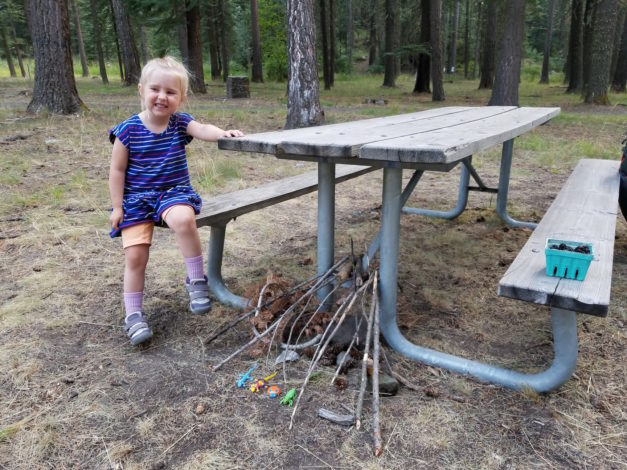
Step outside and have your preschooler build with natural materials, such as sticks, rocks, leaves and dirt. Fairy houses are often a favorite building genre. Don’t put any limits on their creativity.
Scavenger hunt
You can get creative and make cards, routes and prizes at a local park and invite other friends. Or stay super simple and have them run in the backyard in search of five different kinds of leaves and a weird-looking stick. You can hide their toys in the backyard and watch how excited your kids are to run around outside. Kids love the thrill of the hunt! Check out our Scavenger Hunt suggestions in this post or download a scavenger hunt here.
Rock play
Little kids love rocks ... probably because such a simple thing can provide endless entertainment. Paint rocks and hide them around the yard or give them to special friends. Stack rocks into cairns. Pebbles and toy tractors also make a great mini-construction site.
Plant a garden
Plant some seeds or plants and watch them grow together. Make watering them a “chore” and help gain some responsibility. Ideally, you can also harvest whatever your plants provide. However, if your garden is not fruitful, you can look for a local community garden to explore. And even if you go somewhere you can’t pick, kids are fascinated to see how the food they eat is grown.
Build something
Step outside and have your preschooler build with natural materials, such as sticks, rocks, leaves and dirt. Fairy houses are often a favorite building genre. Don’t put any limits on their creativity.
 Nighttime play
Head out after dark and enjoy the new experience. Bring glow sticks and flashlights or build a campfire. Or just count the stars, observe the moon and look for nocturnal animals. Even normal or mundane activities like walking out to check the mailbox can be new and thrilling in the dark.
Be a helper
Have your kiddo help with any outdoor chores that need to get done, like watering plants, pulling weeds or picking up litter. While it might take longer, they're being helpful and spending time with you outdoors. Plus, this build great habits for later in life.
Listening/observing spot
Find and establish a nature listening/observing spot in your yard or a local natural area. Every once in awhile, go there just to sit and notice all the nature around you, big or small. Start with your own sensory observations and then see what else your kiddo notices that you don’t. It is even better to do this consistently and watch how the spot changes with the seasons.
Letters/numbers in nature
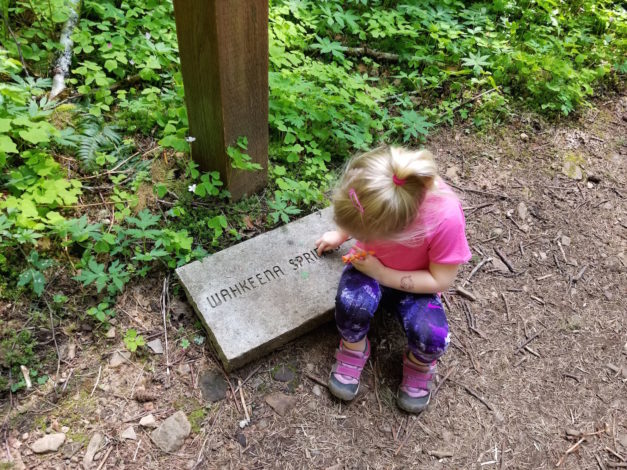
Finally, if you want to sneak a bit of academic learning into your outdoor play, you can work on letters or numbers while you're outside. Make letters out of sticks. Or count how many trees are in your yard. One of our family favorites is to identify letters on hiking trail signs!
Nighttime play
Head out after dark and enjoy the new experience. Bring glow sticks and flashlights or build a campfire. Or just count the stars, observe the moon and look for nocturnal animals. Even normal or mundane activities like walking out to check the mailbox can be new and thrilling in the dark.
Be a helper
Have your kiddo help with any outdoor chores that need to get done, like watering plants, pulling weeds or picking up litter. While it might take longer, they're being helpful and spending time with you outdoors. Plus, this build great habits for later in life.
Listening/observing spot
Find and establish a nature listening/observing spot in your yard or a local natural area. Every once in awhile, go there just to sit and notice all the nature around you, big or small. Start with your own sensory observations and then see what else your kiddo notices that you don’t. It is even better to do this consistently and watch how the spot changes with the seasons.
Letters/numbers in nature
Finally, if you want to sneak a bit of academic learning into your outdoor play, you can work on letters or numbers while you're outside. Make letters out of sticks. Or count how many trees are in your yard. One of our family favorites is to identify letters on hiking trail signs!
 What does your preschooler love to do outside? Share with us in the comments below.
10 Outdoors Activities for Preschoolers
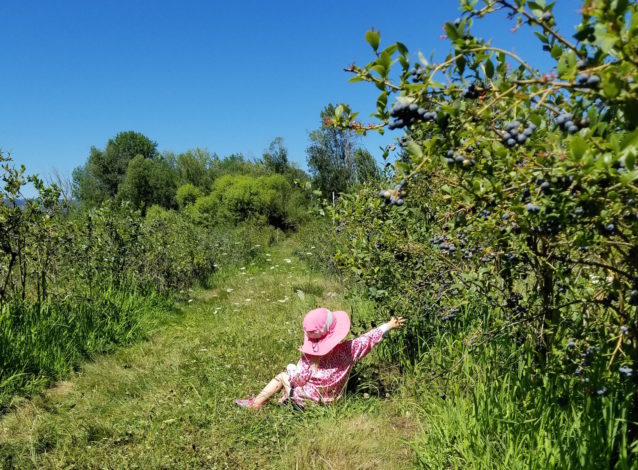
Take a hike Those little legs are stronger and gaining confidence. Hike to a new destination or let your preschooler choose a place so they feel more involved and excited. Let them run, climb and explore their limits along the way. Then share the thrill of accomplishment and discovery when you reach the end. Pick berries, fruits or veggies Find a local farm where you can pick fresh produce, especially berries which are particularly great for preschoolers because they're within arm’s reach and usually a favorite snack. Don’t miss all the great opportunities to connect your kids to their food. Teach about how it’s grown, harvested and the nutrients it provides their growing bodies. What’s better than purple smeared fingers and faces in the summer time? Or apples in the fall?
Scavenger hunt
You can get creative and make cards, routes and prizes at a local park and invite other friends. Or stay super simple and have them run in the backyard in search of five different kinds of leaves and a weird-looking stick. You can hide their toys in the backyard and watch how excited your kids are to run around outside. Kids love the thrill of the hunt! Check out our Scavenger Hunt suggestions in this post or download a scavenger hunt here.
Rock play
Little kids love rocks ... probably because such a simple thing can provide endless entertainment. Paint rocks and hide them around the yard or give them to special friends. Stack rocks into cairns. Pebbles and toy tractors also make a great mini-construction site.
Plant a garden
Plant some seeds or plants and watch them grow together. Make watering them a “chore” and help gain some responsibility. Ideally, you can also harvest whatever your plants provide. However, if your garden is not fruitful, you can look for a local community garden to explore. And even if you go somewhere you can’t pick, kids are fascinated to see how the food they eat is grown.
Build something
Step outside and have your preschooler build with natural materials, such as sticks, rocks, leaves and dirt. Fairy houses are often a favorite building genre. Don’t put any limits on their creativity.
Nighttime play
Head out after dark and enjoy the new experience. Bring glow sticks and flashlights or build a campfire. Or just count the stars, observe the moon and look for nocturnal animals. Even normal or mundane activities like walking out to check the mailbox can be new and thrilling in the dark.
Be a helper
Have your kiddo help with any outdoor chores that need to get done, like watering plants, pulling weeds or picking up litter. While it might take longer, they're being helpful and spending time with you outdoors. Plus, this build great habits for later in life.
Listening/observing spot
Find and establish a nature listening/observing spot in your yard or a local natural area. Every once in awhile, go there just to sit and notice all the nature around you, big or small. Start with your own sensory observations and then see what else your kiddo notices that you don’t. It is even better to do this consistently and watch how the spot changes with the seasons.
Letters/numbers in nature
Finally, if you want to sneak a bit of academic learning into your outdoor play, you can work on letters or numbers while you're outside. Make letters out of sticks. Or count how many trees are in your yard. One of our family favorites is to identify letters on hiking trail signs!
What does your preschooler love to do outside? Share with us in the comments below.
Read More
Related Content



Comments