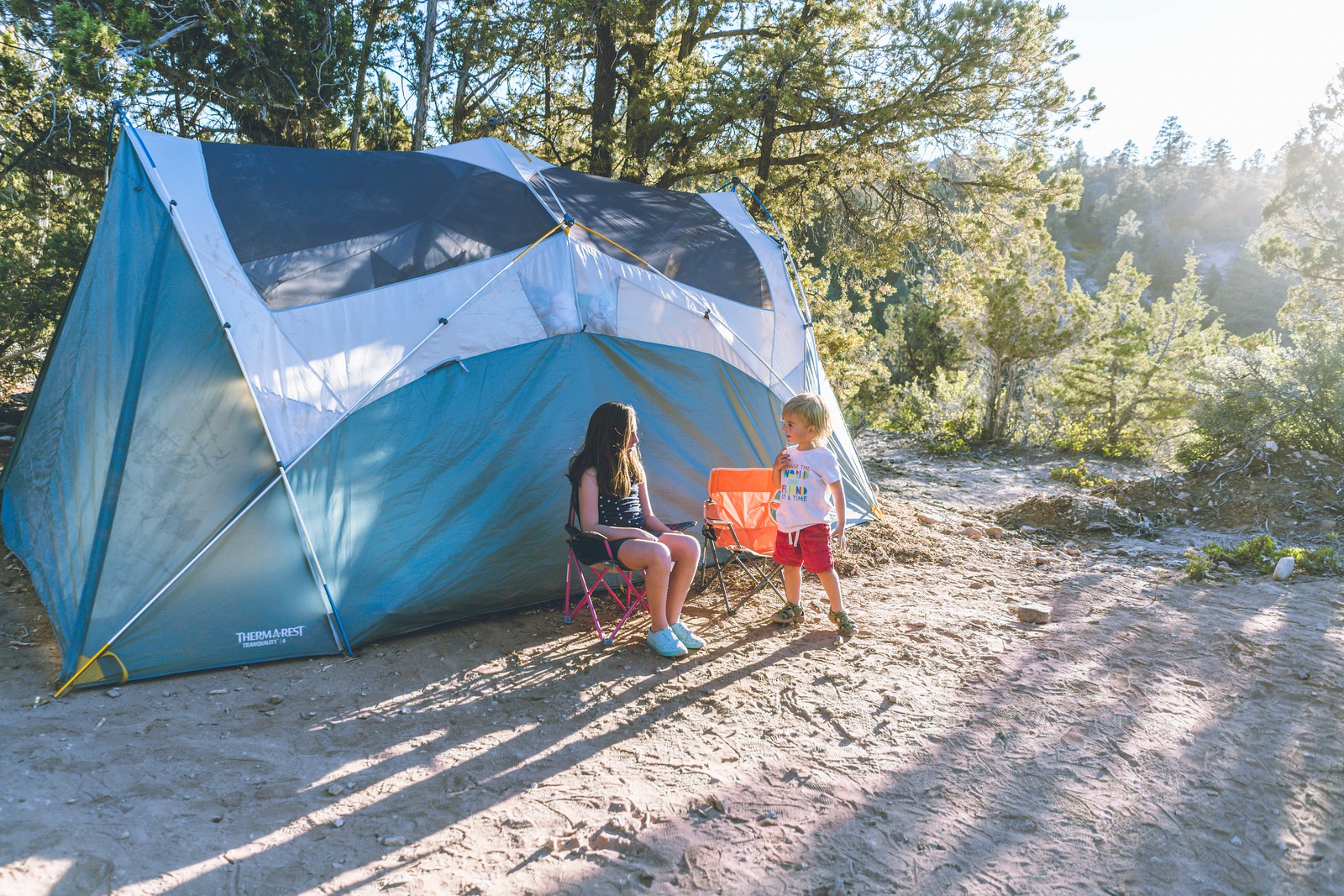
Pros and cons: car camping vs tent camping

  1. Share
0 0

Camping with kids can be a joyful, memory-making adventure, but choosing the right setup matters. Some families find peace in the simplicity of sleeping in a tent, while others prefer the comfort and ease of car camping. This piece explores the benefits and challenges of both styles, offering thoughtful guidance to help you decide what feels best for your family. Whether it is your first time camping or you are looking to try something new, this guide supports you in making the outdoors feel doable.


“And Into The Forest I Go, To Lose My Mind And Find My Soul” ~ John Muir Camping with kids can sometimes feel like we are losing our minds! Although, I’m sure when John Muir originally wrote this he was not referencing parenthood, but rather a more sophisticated scene where one can tune out and find new perspective. Either way the quote is fitting. Camping with kids in a tent, in a car, with a goat or on a boat, it’s all a crazy wild adventure and if we’re going to do it, it’s helpful to figure out the best method for our families before we head out. Here are a few pros and cons for both tent and car camping (I’ll leave Dr. Suess to explain the subtle perks of camping with a goat on a boat). For this article let’s assume that car camping includes actually sleeping in the car as well as camping from it, while tent camping implies that all our necessary gear, food and bedding is hiked into the camping spot with no access to a vehiclPros and cons: car camping vs tent camping by Brenna Jeaneret for Hike it Babye.  

Car camping

The first thing that comes to mind is that car camping allows us to bring EVERYTHING! This one can easily be either a pro or con depending on the needs for your family. Having that extra space is great when trying to bring that favorite book, stuffed animal or enough diapers. Plus, there’s endless room for things like bikes, buckets and shovels and frisbees to keep the kids entertained. Not to mention the adult perks like the big cooler (that’s right, the heavy one with all the ice, drinks and burgers), the two-burner stove, depending on your set-up and those sweet camping chairs to sit around the fire with. The flip side of bringing so much is that, well, there is so much! It becomes hard to keep track of everything. It also creates a bit of chaos at the campsite (something all parents probably have plenty of already) and the purists among us might argue that it takes away from the actual experience of camping because it creates such luxury.

Tent camping

That brings us to the next thing on my list. Car camping can allow for a lot of things tent camping can’t, but if the goal is to camp overnight in a remote area, car camping is out. Cars can only go so far, but our legs can take us almost anywhere! Carrying everything in a backpack makes for more succinct, compact packing. The space provided is self-limiting. There is only so much room and once it’s gone, that’s it. So, only the necessities make the cut.  Depending on the situation, this may make things more or less difficult. It's more difficult with smaller kids who may also have to be carried, but it's less difficult with older kids who may enjoy the independence of packing, hiking and carrying their packs.

Other factors

And finally, weather is a huge factor to consider when camping. If it's a nice sunny day, then no worries, car camping, tent camping and even goat camping is a great option. But if the weather turns, so can the entire camping trip! Being prepared for any kind of weather is the best any of us can do, but car camping can ensure protection from bad weather -- even during those unpredictable weeks between seasons. Tent camping in bad weather is doable but comes down to preparation and gear. For instance, a four-person family tent with standing room may be just as leak-proof as some vehicles out there, but a lightweight 3-season tent with no head room may prove a bit more interesting in terms of staying warm and dry in that spring storm. On that note, just like anything else, camping is not one-size-fits-all and every family is different. Choosing the best camping solution for your family depends on your camping goals, timeframe and, of course, those tiny people we bring along with us! This is a basic list of pros and cons but there are many others that could be added. I’d love to hear your thoughts on the pros and cons for your family!

Read more:

Photos by Arika Bauer.


About OutGrown
OutGrown is a national nonprofit working to ensure that every family, especially those with babies and young children, can experience the benefits of time outside. Since our grassroots beginning in 2013, we have supported more than 300,000 families with the help of thousands of volunteers across the country. We believe nature belongs to all of us from the very beginning. That means creating opportunities, removing barriers, and supporting families in finding their way outdoors, whether that starts with a stroller walk, a community outing, or a quiet moment under the sky. You can learn more and explore our programs at WeAreOutGrown.org.

Editor’s Note
Thank you for reading. At OutGrown, we believe content should offer more than information. It should create a connection, support real-life caregiving, and reflect how families grow together through nature. Everything we share is made with care by our team and volunteer community. If this piece inspired you or helped you feel more confident in your outdoor journey, we invite you to support our work by donating today. Your contributions help us keep resources free and accessible to all families.

Please remember that the experiences and tips shared in this article are for general information only. They are not a substitute for professional medical, mental health, or safety advice. Always consult with a qualified provider if you have specific concerns or questions.

We are glad you are here. We are growing something meaningful together

Community tags

This content has 0 tags that match your profile.

Stages of Childhood

Let's Talk Gear & Snacks

Family Adventures

Comments

To view comments or leave a comment, login or sign up.

Related Content

0
Backyard Camping: An Epic Adventure Right Outside Your Door
This summer, the days have felt especially long. Due to COVID, I find myself saying “no” and “we can’t” a lot more than I want to. The restrictions and precautions evoked by parks and outdoor spaces, along with those we choose to abide by as a family, have left me feeling like I’m trapped in a shrinking room! Then one day, shoulders slumped as I sad-sacked around the house, I decided to change things up. All summer long, my husband and I have been missing our regular adventures. Camping has been high on our list because, though he has been camping in our old Westy, our 3-year-old has never been tent camping! Cue, backyard camping! The Pre-Test We figured there was no reason to put it off any longer. I got our tent out of the basement and walked purposely across the living room toward the back door, only to be stopped halfway by my very insistent son. He was VERY interested in setting up the tent… in the living room. And that’s exactly what we did. It was the perfect way to test out this whole camping thing… before we tested it out. Though my intention was to pitch the tent in the backyard, I recommend this “pre-test” to anyone who has concerns about your child actually sleeping in the tent. Our son has always been an early riser and so he is also an early sleeper. To expect that he could get to sleep at his usual 5 PM bedtime with the summer sun still at its peak and so many backyard distractions was a tall order. We had other concerns too but the most pressing was bedtime routine, general supervision, and whether or not my husband and I would get any sleep. With the tent set up in the house, my son was content to “pretend camp” for weeks. We looked for plastic night animals with our headlamps, roasted Lego marshmallows, and slept under a Christmas light sky. It was a major success and was just what we needed to shake up the boredom. However, if you opt to skip this pre-test and head right to the backyard I do have a few helpful tips. Photo Credit: Deanna Curry @shinydayadventures Taking the Tent Outside Though our son is an early sleeper part of the appeal of going camping is that you get to do things you normally wouldn’t (here are some ways to make camping fun for kids). When we finally made it outside with the tent we stayed up until it got dark, around 8:30 pm, looking for nocturnal animals and lightning bugs. By then we didn't have to worry about the sun and all the neighborhood noise had quieted. Not to mention, he was so tired we didn’t even need the bedtime routine to lull him to sleep. We also let my son fill his tiny belly with a marshmallow, hot dog, and Chex Mix dinner. As far as supervision, we actually went to sleep when my son did that night because, well, we are parents and we are tired. But if you’re camping with a baby (check out this post on camping with a baby) or your kids go to sleep before you, a baby monitor, or even an open window, depending on your situation should suffice. Photo Credit: Ashley Scheider Backyard Camping Tip The number one tip I can offer is this, try to remember why you wanted to do this. We did it because we wanted our son to experience all the things we love about camping and being outside. So, we let our kid eat junk food, set off a few sparklers, forgot about bedtime, were noisy and ridiculous, and as much as possible tried to remember what it’s like to be a kid. Need more inspiration? We got you covered: Camping with Great Books Things to Know for Your First Camping Trip Helping children and families sleep better when camping Do you have a favorite family room or backyard camping memory? Share it in the comments! Be sure to join the Hike it Baby Community Facebook Group. It's a great place to ask questions, learn from others, and share your family's outdoor adventures! About Hike it Baby Hike it Baby is a 501(c)(3) non-profit organization dedicated to getting families outdoors and on trails across the U.S. and internationally, supporting, educating and inspiring families through their more than 300 communities across North America. Since its grassroots inception in 2013 in Portland, Oregon, Hike it Baby is now a growing community of 270,000 families and 500 volunteer branch ambassadors hosting more than 1,600 hikes per month. More information, as well as daily hike schedules, can be found at HikeitBaby.com, Facebook, YouTube, Pinterest, and Instagram. Editors Note:   We hope you enjoyed reading this article from Hike it Baby. We’re working hard to provide our community with content and resources that inform, inspire, and entertain you.   But content is not free. It’s built on the hard work and dedication of writers, editors, and volunteers. We make an investment in developing premium content to make it easier for families with young children to connect with nature and each other. We do not ask this lightly, but if you can, please make a contribution and help us extend our reach.
0
How to Plan for Camping in Summer with Kids
With the hot weather approaching, camping in summer can be a challenge when you're trying to keep cool while also trying to enjoy everything the hot temps have to offer. Of course, how you’re camping is a big factor in how you can prepare for this. Some families primarily use campers, while others use a tent in campgrounds they can easily drive to. These folks aren’t limited on space or weight. However, many families also hike into their campsites and need to be conscious of how much they’re carrying with them because the heat can add some frustrating layers to the camping experience. Ultimately, there’s no right or wrong way to do any of this, but we hope these tips will help you plan ahead and enjoy camping in summer with your family, regardless of those higher temperatures.   Cleanliness is relative Remember, the first rule of camping in summer is that cleanliness is relative. While it’s worthwhile to pack some lightweight PJs or an extra set of clean wicking clothes to sleep in, your kids may be dirtier than normal after a long day of play. If they’re used to a bath or shower before bed, it may be harder to follow your normal routine. However, try to integrate something small from your nightly routine to offer a bit of distraction, such as reading. If cleanliness at bedtime is important to you, remember that kids, clothes, and sheets wash well. And if you’re car camping, your campsite may have showers that you can take advantage of. But if it doesn’t, or you don’t feel like making the trek there, just don’t stress about it. Hand sanitizer and wet wipes can go a long way! Embrace the dirt! You’ll be dirty, kids will be dirty, just get hands clean enough for safe food consumption and roll with it. –Gaila, Ames, Iowa The uninvited guests: ticks and bugs If you’re camping somewhere that ticks are prevalent, make sure you check everyone for ticks during the day and especially at night before bed. Citronella coils and butane-based repellents can also be fantastic insect deterrents that you can use safely at night near your campsite. Mosquito netting may be super beneficial depending on whether or not you’re sleeping with any windows open. For strategies on bug protection, check out this blog on Tips and Tricks for Applying Insect Repellent or read about what the CDC has to say about Tick: Prevention, Removal, and Symptom Checker. How to handle eating while camping in summer Keep it simple! Cooking over open flames in the summer increases your exposure to heat, so reserve your hot meals for dinner when temperatures drop a bit. Sandwiches are great camping options for just about any meal or snack, and the same goes for breakfast foods like cereal bars, oatmeal and ready-made waffles or pancakes. To save time on food preparation, you can prep meals in advance and freeze them. It will help keep the non-freezable items in your cooler cold; plus, it gives you some great ready-to-heat meals. More popular options include bringing a cast iron pot to make meals over the fire and cooking up foil pack “hobo” dinners in the coals. Read this blog for ideas on easy kid-friendly camping recipes. If you have a little who eats in a high chair, check out portable options that fold up small and are easy to assemble. They often can stand on their own or attach to a picnic table to contain your little one! Disclaimer: If you’re camping in bear country, you’ll need to follow a special set of rules for food – from preparation to storage to consumption, and everything in between. Your local ranger stations can be a huge benefit, so make sure you chat with them and get instructions. Sleeping in the heat with little ones If there is one thing we know about sleeping as adults, it’s that it can be hard to come by when our sleeping space is too hot. The same is true for our kids, so you may need to plan ahead for how you’re going to get them to sleep. After all, the sounds are different, and sleeping in a different bed may affect your kids more than you realize. So how do you help your little ones to sleep? "While less clothes may seem better, it makes for a lot of uncomfortable sweat,” says Katie of the Butte County, California, Hike it Baby branch. Think of thin, breathable fabrics for everyone. Wicking athletic shirts can be fantastic for night use as well as during the day for camping in summer. Fans can be great too. Even if you’re not in a camper with electrical hookups, small battery-operated handheld fans can create a nice, needed breeze day or night. Melissa of the Sydney, Australia, branch also suggests placing a wet cloth in front of the fan to create DIY air conditioning. Summer temps can be especially challenging for those midday naps, so you’ll definitely want to take advantage of any opportunity to cool down. If you prefer to sleep separately from your little one, portable cribs can be great! And if you’re car camping and have room, bring them! They can be used for naptime during the day and bedtime at night. Pro tip: portable cribs are worth bringing even if you don’t use them for sleeping. Pop a mosquito netting over the top and you have a great bug-free zone for littles. Or, if you need shade, add a crib sheet to the top to create a shaded play area!   Consider the campsite If your area offers it, choose a site near a body of water. They can be a great opportunity to rinse off dirt and mud and cool down, whether during the day or before bedtime, to help little bodies relax and rest. However, keep in mind that you may want to prevent your little ones from having easy of access to it. This is particularly true if you have stealthy little ones who can open tents and go for excursions while their exhausted parents sleep. We all know how fast our little adventurers can move, so you may want to select a site that’s a short walk from a lake or river instead of having waterfront access. If it’s the main source of water where you’re camping, check out this post on treating water for consumption. Taking care of business One of the biggest challenges we face as parents is potty training. More specifically, potty training in new and different situations and locations. So, potty training while camping in summer offers some unique challenges for little people who are still learning where they can – and can’t – go, especially at night when the closest potty may be a trek away. So, while teaching them how to go in the woods is an important lesson, it’s not always practical. Lyndsey of the Monadnock Region, NH, branch recommends using an “OXO Travel Potty on top of a bucket lined with a heavy-duty trash bag with kitty litter” for a great campsite potty. And she adds that this setup can work well for parents who may not want to leave their little ones alone in the camp while they go potty. Keeping kids occupied during downtimes Camping is all about the experience, and toys aren’t 100% necessary. After all, we’re enjoying time together outdoors as we support our kids in their explorations. With that said, there are some great campsite-friendly toys that can keep little hands busy while you’re setting up or tearing down camp, preparing food or putting a sibling down to sleep. Because, as we all know, nap time is an important strategy for preventing meltdowns at camp or on the trail. A handful of toys can be helpful in terms of sheer containment while also adding to the sense of discovery. Think about bringing simple toys that align with the camping experience. Magnifying glasses for seeing worms, spiders, snails or other small creatures can be a lot of fun. And in the case of thunderstorms and you have to head inside the tent, books and cards can be a great backup plan! Bring dirt toys: buckets and shovels that they can play with around the campsite. –Juliana, Fairbanks, AK How to get organized for camping in summer So now you’ve got all these great suggestions and hacks, but how do you get them all organized? After all, organization is your best bet for making the most of your time at the campsite, including setting up tents and other sleeping arrangements quickly so you can spend more time playing. In a perfect world, you can have an extra set of camping gear that you pack in totes. If you can set aside sheets, blankets, cookware, lanterns, etc., in storage containers in the garage, an extra closet or the basement or crawlspace, it makes it much easier and quicker to pack your vehicle. Similarly, this makes it easy to prepare for bedtime, so you’re not hunting for that fan or set of lightweight PJs while your family is getting ready to hit the sack. I keep our inclement weather gear in [plastic stacking drawers] at all times. I have another drawer for small incidentals like matches, sunscreen, bug spray, etc. There’s a drawer devoted to diapering, which I try to keep fully stocked with diapers and wipes for each kid. I pack our clothes into another drawer and it helps keep us a bit more organized and space efficient than using backpacks for everyone. –Nicole, Mountain Home, ID Remember the most important part of camping The number one most important part of camping in summer with your family is to have fun. Sleeping in the heat may be hard to come by some nights, whether from the excitement or the actual temperatures, but pack your coffee and enjoy the giggles and new experiences. It's all about the experience. Don't stress. –Carrie, Boulder, CO The reality we’ve all learned along the way is that it’s best to have a plan, and then to be flexible. After all, there will be some contingency that crops up that you don’t plan for. It will all work out; you’re creating memories with your family that everyone will cherish. Does your family also camp and have a few tips and tricks for camping in summer? Please share in the comments below; we'd love to hear about more hacks.   Read more: The ultimate guide to camping with kids Pros and cons: car camping vs tent camping What to look for in a kid-friendly camping site Photos by Deanna Curry About OutGrown OutGrown is a national nonprofit working to ensure that every family, especially those with babies and young children, can experience the benefits of time outside. Since our grassroots beginning in 2013, we have supported more than 300,000 families with the help of thousands of volunteers across the country. We believe nature belongs to all of us from the very beginning. That means creating opportunities, removing barriers, and supporting families in finding their way outdoors, whether that starts with a stroller walk, a community outing, or a quiet moment under the sky. You can learn more and explore our programs at WeAreOutGrown.org. Editor’s Note Thank you for reading. At OutGrown, we believe content should offer more than information. It should create a connection, support real-life caregiving, and reflect how families grow together through nature. Everything we share is made with care by our team and volunteer community. If this piece inspired you or helped you feel more confident in your outdoor journey, we invite you to support our work by donating today. Your contributions help us keep resources free and accessible to all families. Please remember that the experiences and tips shared in this article are for general information only. They are not a substitute for professional medical, mental health, or safety advice. Always consult with a qualified provider if you have specific concerns or questions. We are glad you are here. We are growing something meaningful together