
How to Plan for Camping in Summer with Kids

With the hot weather approaching, camping in summer can be a challenge when you're trying to keep cool while also trying to enjoy everything the hot temps have to offer. Of course, how you’re camping is a big factor in how you can prepare for this. Some families primarily use campers, while others use a tent in campgrounds they can easily drive to. These folks aren’t limited on space or weight. However, many families also hike into their campsites and need to be conscious of how much they’re carrying with them because the heat can add some frustrating layers to the camping experience. Ultimately, there’s no right or wrong way to do any of this, but we hope these tips will help you plan ahead and enjoy camping in summer with your family, regardless of those higher temperatures.
Cleanliness is relative
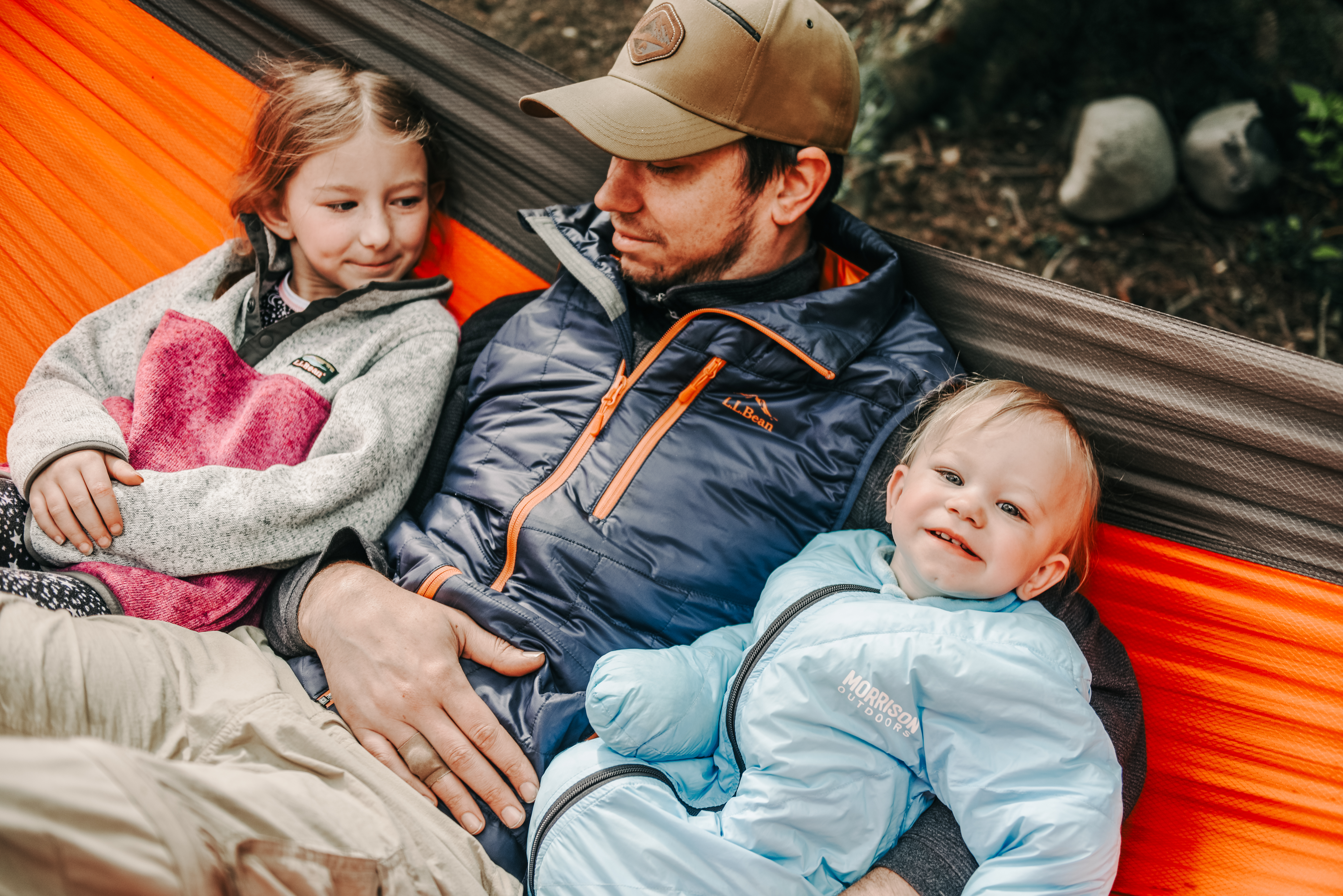
Remember, the first rule of camping in summer is that cleanliness is relative. While it’s worthwhile to pack some lightweight PJs or an extra set of clean wicking clothes to sleep in, your kids may be dirtier than normal after a long day of play. If they’re used to a bath or shower before bed, it may be harder to follow your normal routine. However, try to integrate something small from your nightly routine to offer a bit of distraction, such as reading. If cleanliness at bedtime is important to you, remember that kids, clothes, and sheets wash well. And if you’re car camping, your campsite may have showers that you can take advantage of. But if it doesn’t, or you don’t feel like making the trek there, just don’t stress about it. Hand sanitizer and wet wipes can go a long way!
Embrace the dirt! You’ll be dirty, kids will be dirty, just get hands clean enough for safe food consumption and roll with it. –Gaila, Ames, Iowa
The uninvited guests: ticks and bugs
If you’re camping somewhere that ticks are prevalent, make sure you check everyone for ticks during the day and especially at night before bed. Citronella coils and butane-based repellents can also be fantastic insect deterrents that you can use safely at night near your campsite. Mosquito netting may be super beneficial depending on whether or not you’re sleeping with any windows open. For strategies on bug protection, check out this blog on Tips and Tricks for Applying Insect Repellent or read about what the CDC has to say about Tick: Prevention, Removal, and Symptom Checker.
How to handle eating while camping in summer
Keep it simple! Cooking over open flames in the summer increases your exposure to heat, so reserve your hot meals for dinner when temperatures drop a bit. Sandwiches are great camping options for just about any meal or snack, and the same goes for breakfast foods like cereal bars, oatmeal and ready-made waffles or pancakes. To save time on food preparation, you can prep meals in advance and freeze them. It will help keep the non-freezable items in your cooler cold; plus, it gives you some great ready-to-heat meals. More popular options include bringing a cast iron pot to make meals over the fire and cooking up foil pack “hobo” dinners in the coals. Read this blog for ideas on easy kid-friendly camping recipes. If you have a little who eats in a high chair, check out portable options that fold up small and are easy to assemble. They often can stand on their own or attach to a picnic table to contain your little one! Disclaimer: If you’re camping in bear country, you’ll need to follow a special set of rules for food – from preparation to storage to consumption, and everything in between. Your local ranger stations can be a huge benefit, so make sure you chat with them and get instructions.
Sleeping in the heat with little ones
If there is one thing we know about sleeping as adults, it’s that it can be hard to come by when our sleeping space is too hot. The same is true for our kids, so you may need to plan ahead for how you’re going to get them to sleep. After all, the sounds are different, and sleeping in a different bed may affect your kids more than you realize. So how do you help your little ones to sleep? "While less clothes may seem better, it makes for a lot of uncomfortable sweat,” says Katie of the Butte County, California, Hike it Baby branch. Think of thin, breathable fabrics for everyone. Wicking athletic shirts can be fantastic for night use as well as during the day for camping in summer. Fans can be great too. Even if you’re not in a camper with electrical hookups, small battery-operated handheld fans can create a nice, needed breeze day or night. Melissa of the Sydney, Australia, branch also suggests placing a wet cloth in front of the fan to create DIY air conditioning. Summer temps can be especially challenging for those midday naps, so you’ll definitely want to take advantage of any opportunity to cool down. If you prefer to sleep separately from your little one, portable cribs can be great! And if you’re car camping and have room, bring them! They can be used for naptime during the day and bedtime at night. Pro tip: portable cribs are worth bringing even if you don’t use them for sleeping. Pop a mosquito netting over the top and you have a great bug-free zone for littles. Or, if you need shade, add a crib sheet to the top to create a shaded play area! 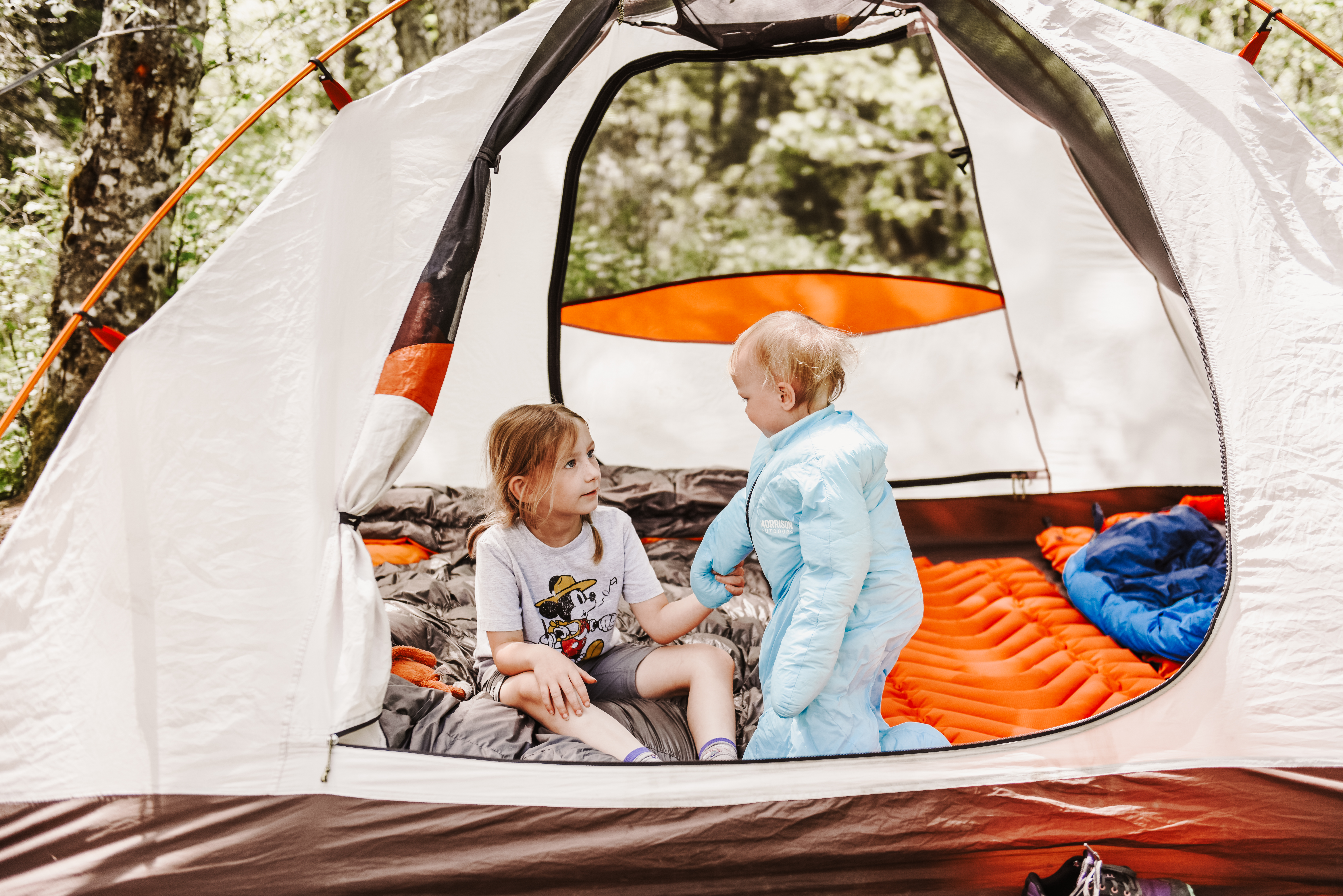
Consider the campsite
If your area offers it, choose a site near a body of water. They can be a great opportunity to rinse off dirt and mud and cool down, whether during the day or before bedtime, to help little bodies relax and rest. However, keep in mind that you may want to prevent your little ones from having easy of access to it. This is particularly true if you have stealthy little ones who can open tents and go for excursions while their exhausted parents sleep. We all know how fast our little adventurers can move, so you may want to select a site that’s a short walk from a lake or river instead of having waterfront access. If it’s the main source of water where you’re camping, check out this post on treating water for consumption.
Taking care of business
One of the biggest challenges we face as parents is potty training. More specifically, potty training in new and different situations and locations. So, potty training while camping in summer offers some unique challenges for little people who are still learning where they can – and can’t – go, especially at night when the closest potty may be a trek away. So, while teaching them how to go in the woods is an important lesson, it’s not always practical. Lyndsey of the Monadnock Region, NH, branch recommends using an “OXO Travel Potty on top of a bucket lined with a heavy-duty trash bag with kitty litter” for a great campsite potty. And she adds that this setup can work well for parents who may not want to leave their little ones alone in the camp while they go potty.
Keeping kids occupied during downtimes
Camping is all about the experience, and toys aren’t 100% necessary. After all, we’re enjoying time together outdoors as we support our kids in their explorations. With that said, there are some great campsite-friendly toys that can keep little hands busy while you’re setting up or tearing down camp, preparing food or putting a sibling down to sleep. Because, as we all know, nap time is an important strategy for preventing meltdowns at camp or on the trail. A handful of toys can be helpful in terms of sheer containment while also adding to the sense of discovery. Think about bringing simple toys that align with the camping experience. Magnifying glasses for seeing worms, spiders, snails or other small creatures can be a lot of fun. And in the case of thunderstorms and you have to head inside the tent, books and cards can be a great backup plan!
Bring dirt toys: buckets and shovels that they can play with around the campsite. –Juliana, Fairbanks, AK
How to get organized for camping in summer
So now you’ve got all these great suggestions and hacks, but how do you get them all organized? After all, organization is your best bet for making the most of your time at the campsite, including setting up tents and other sleeping arrangements quickly so you can spend more time playing. In a perfect world, you can have an extra set of camping gear that you pack in totes. If you can set aside sheets, blankets, cookware, lanterns, etc., in storage containers in the garage, an extra closet or the basement or crawlspace, it makes it much easier and quicker to pack your vehicle. Similarly, this makes it easy to prepare for bedtime, so you’re not hunting for that fan or set of lightweight PJs while your family is getting ready to hit the sack.
I keep our inclement weather gear in [plastic stacking drawers] at all times. I have another drawer for small incidentals like matches, sunscreen, bug spray, etc. There’s a drawer devoted to diapering, which I try to keep fully stocked with diapers and wipes for each kid. I pack our clothes into another drawer and it helps keep us a bit more organized and space efficient than using backpacks for everyone. –Nicole, Mountain Home, ID
Remember the most important part of camping
The number one most important part of camping in summer with your family is to have fun. Sleeping in the heat may be hard to come by some nights, whether from the excitement or the actual temperatures, but pack your coffee and enjoy the giggles and new experiences.
It's all about the experience. Don't stress. –Carrie, Boulder, CO
The reality we’ve all learned along the way is that it’s best to have a plan, and then to be flexible. After all, there will be some contingency that crops up that you don’t plan for. It will all work out; you’re creating memories with your family that everyone will cherish. Does your family also camp and have a few tips and tricks for camping in summer? Please share in the comments below; we'd love to hear about more hacks. 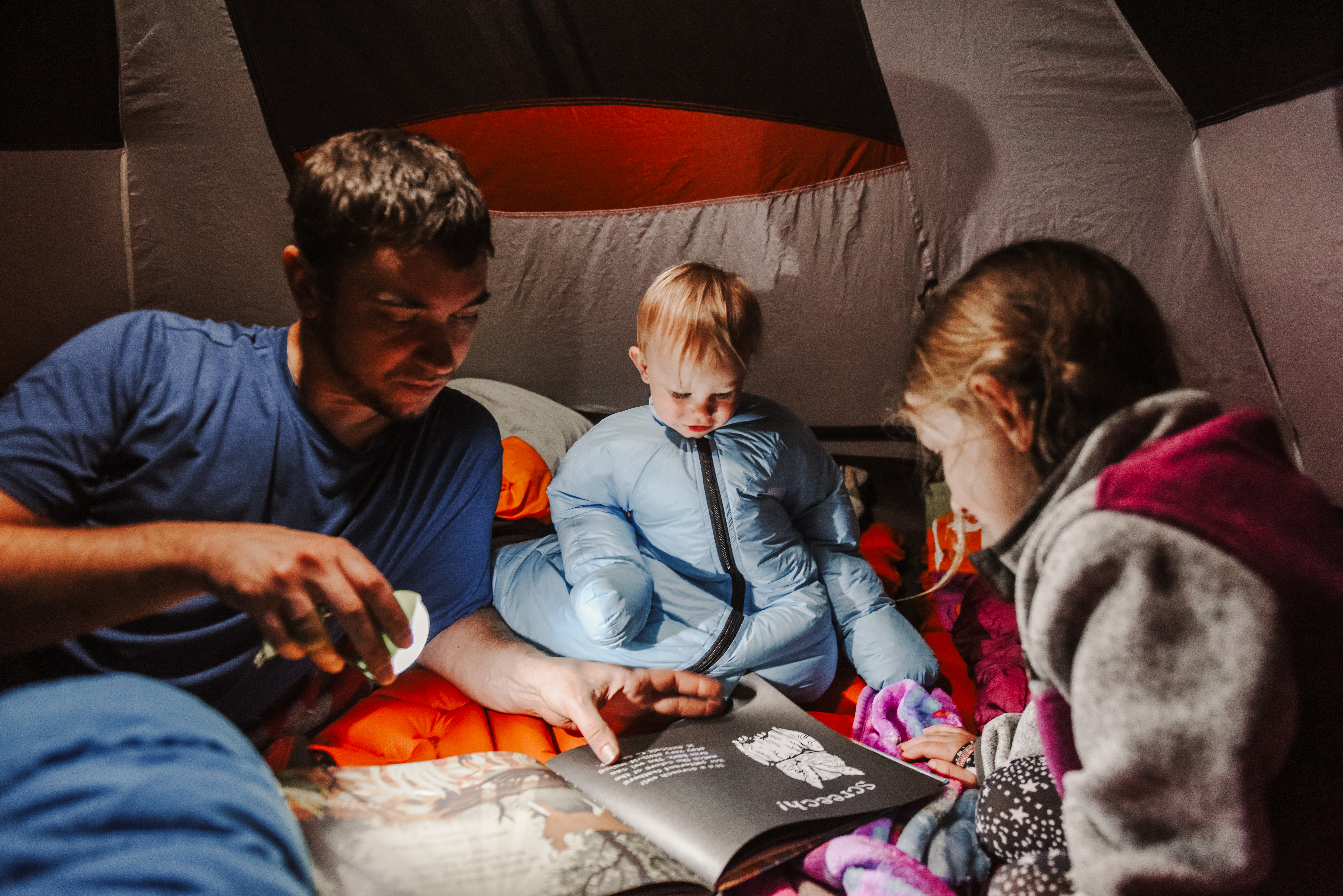
Read more:
- The ultimate guide to camping with kids
- Pros and cons: car camping vs tent camping
- What to look for in a kid-friendly camping site
Photos by Deanna Curry
About OutGrown
OutGrown is a national nonprofit working to ensure that every family, especially those with babies and young children, can experience the benefits of time outside. Since our grassroots beginning in 2013, we have supported more than 300,000 families with the help of thousands of volunteers across the country. We believe nature belongs to all of us from the very beginning. That means creating opportunities, removing barriers, and supporting families in finding their way outdoors, whether that starts with a stroller walk, a community outing, or a quiet moment under the sky. You can learn more and explore our programs at WeAreOutGrown.org.
Editor’s Note
Thank you for reading. At OutGrown, we believe content should offer more than information. It should create a connection, support real-life caregiving, and reflect how families grow together through nature. Everything we share is made with care by our team and volunteer community. If this piece inspired you or helped you feel more confident in your outdoor journey, we invite you to support our work by donating today. Your contributions help us keep resources free and accessible to all families.
Please remember that the experiences and tips shared in this article are for general information only. They are not a substitute for professional medical, mental health, or safety advice. Always consult with a qualified provider if you have specific concerns or questions.
We are glad you are here. We are growing something meaningful together
Related Content



Comments